
From fragmented systems to a unified training platform
Save a Life delivers CPR, BLS, and certification training at scale. Their online course platform isn't just a website, it's the core of how they deliver education, manage users, and issue certifications.
Today, Save a Life runs its entire training, certification, and commerce platform on Core dna.
But that wasn't always the case.
Core dna powering Save a Life across website, eCommerce and online learning
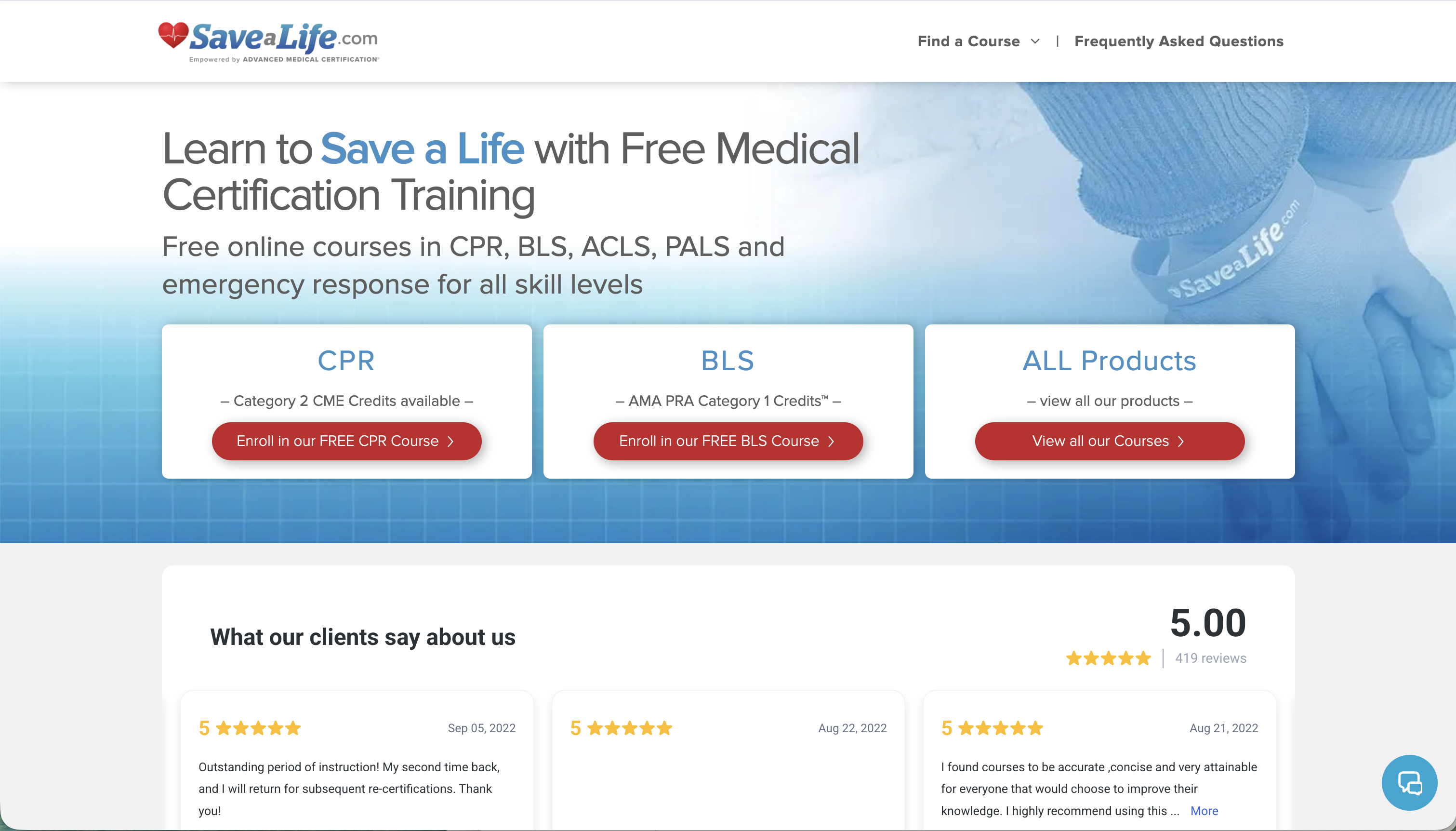
Website experience: Course discovery and user journey starting on the Save a Life homepage
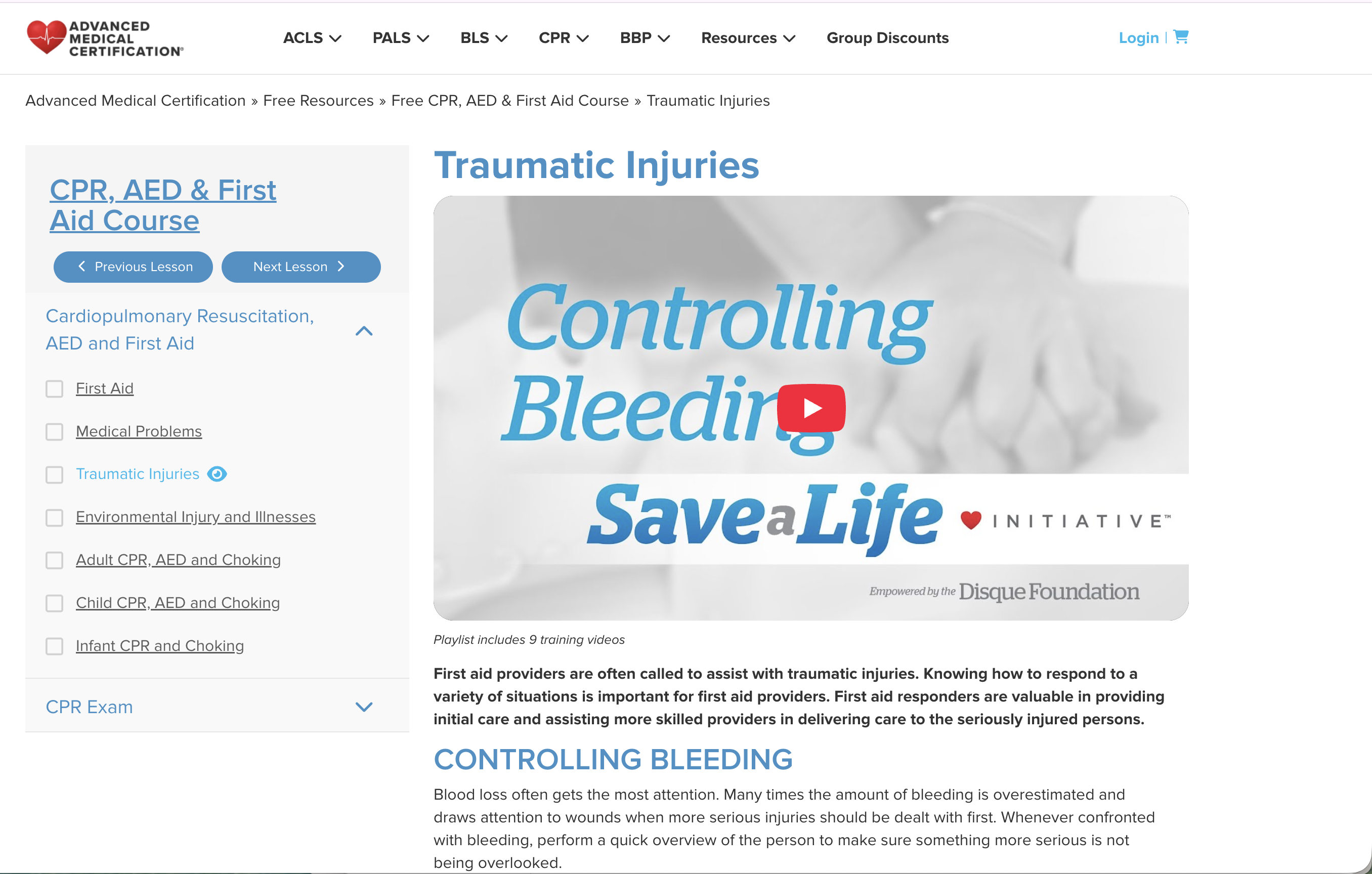
Online course delivery and LMS experience, fully integrated with content and user progress
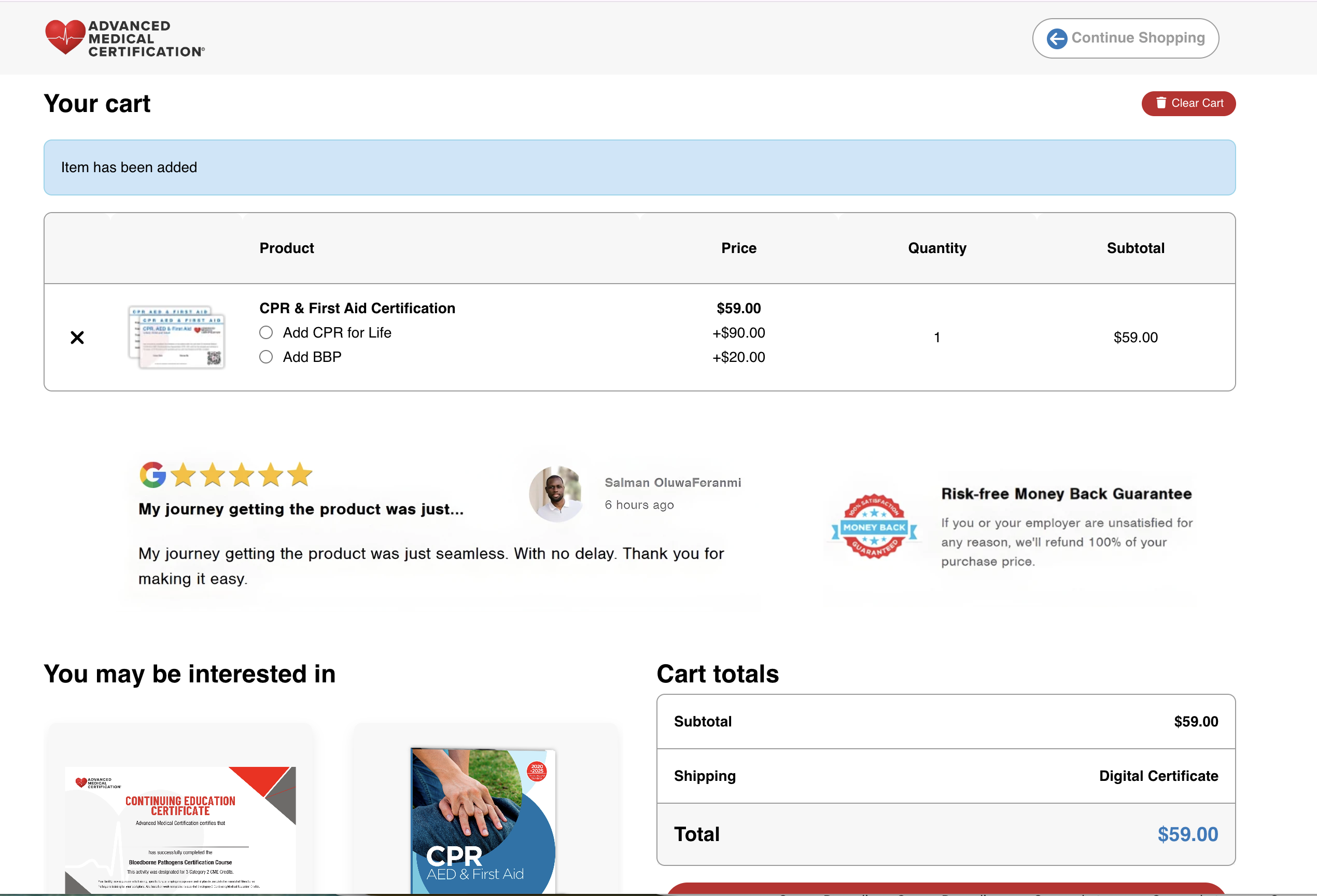
Commerce layer managing course purchases, pricing and cart interactions
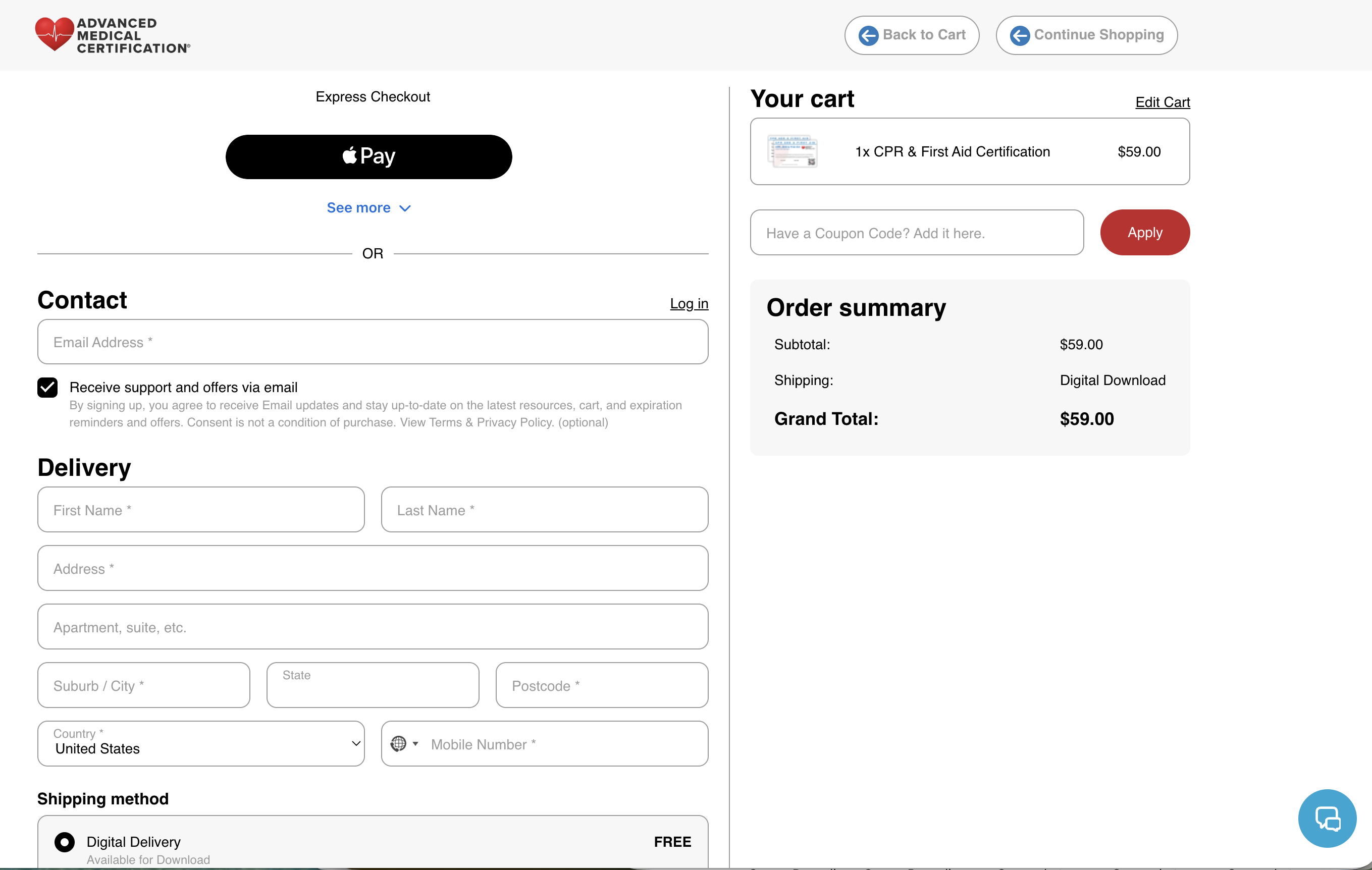
Seamless checkout connecting digital products, payments and certification delivery
The Challenge: Disconnected Systems Slowing Down Growth
As Save a Life grew, so did the complexity of their stack.
They were operating across three separate platforms:
- WordPress for content
- A standalone LMS for course delivery
- A separate eCommerce system for transactions
Each platform worked, but none of them worked together.
This created constant operational friction:
- Users would move between systems with inconsistent experiences
- Data was fragmented across platforms
- Teams had no single view of the customer journey
- Every update required coordination across multiple tools
At the same time, Save a Life was managing multiple websites, which added another layer of complexity. Each property required its own management, content updates, and user handling, increasing overhead and inconsistency.
The result was not just inefficiency, it was a growing disconnect between the platform and the experience they wanted to deliver.
The Tipping Point: Building Their Own System
To solve the limitations of traditional LMS tools, Save a Life attempted to build their own system.
The goal was clear: create a platform that matched their certification workflows exactly.
But after more than a year of development, the reality set in:
- The system was becoming increasingly complex
- Development demands kept growing
- Internal resources were tied up maintaining software
They reached a critical realization:
Their business is delivering life-saving training, not building software.
The Solution: One Platform, Built Around Their Business
Save a Life moved to Core dna to consolidate their entire digital stack into a single platform. Instead of stitching together tools, they rebuilt on a unified foundation that combines:
A Custom Certification Platform, Not a Rigid LMS
Rather than forcing Save a Life into a predefined LMS structure, Core dna enabled them to model their platform around how their training actually works.
Unified Platform: Content, Commerce, and Learning in One Place
With everything running on Core dna, Save a Life manages:
- Marketing content and course pages
- Checkout and transactions
- Learning experiences and certification
This eliminates the need for plugins, integrations, or middleware.
The Impact: Clarity, Control, and Scalability
Moving to Core dna allowed Save a Life to simplify operations and regain control of their platform.
Most importantly, Save a Life shifted back to what matters: delivering high-quality, life-saving training at scale.
What This Shows
When your platform includes courses, certifications, payments, and user-specific logic, you're no longer managing a website, you're operating a digital product.
Most organizations either stitch together multiple tools, or build custom systems. Core dna provides a third path: A unified platform that combines CMS, commerce, and LMS capabilities without the complexity of fragmented systems.
As requirements grow, traditional LMS platforms often lack flexibility. Businesses end up adding integrations or building custom solutions, which increases complexity and technical debt over time.
Core dna combines content management, commerce functionality, and workflow automation, allowing businesses to deliver training, process payments, and manage users without relying on integrations.
Yes. Core dna enables businesses to manage courses, assessments, certification workflows, and payments in a single platform, removing the need for separate LMS and eCommerce systems.
Summarize with