PLATFORM OVERVIEW

One platform. Not a stack.

One platform. Not a stack.

Core dna runs commerce, content, and operations on one system, for multi-property operators: franchises, multi-brand retailers, multi-site manufacturers, membership networks, and multi-location services. A lean team ships every change across every site, store, location, brand, or chapter you run, from one prompt.

the platform four capabilities, one system

Four capabilities. One platform.

Every capability runs on the same system, operated by the same lean team, from the same prompt.

01 Agentic operations

Describe the change. Every property ships it.

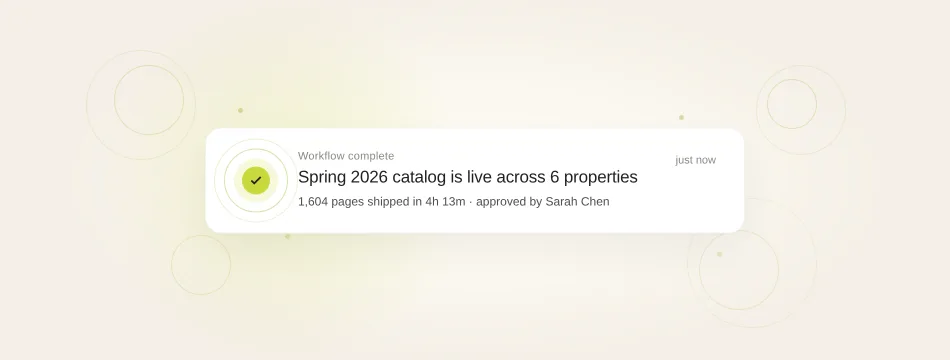
Describe a change in plain language and the platform ships it across every property, with approval and audit built in.

02 Unified platform

One platform. Not a stack.

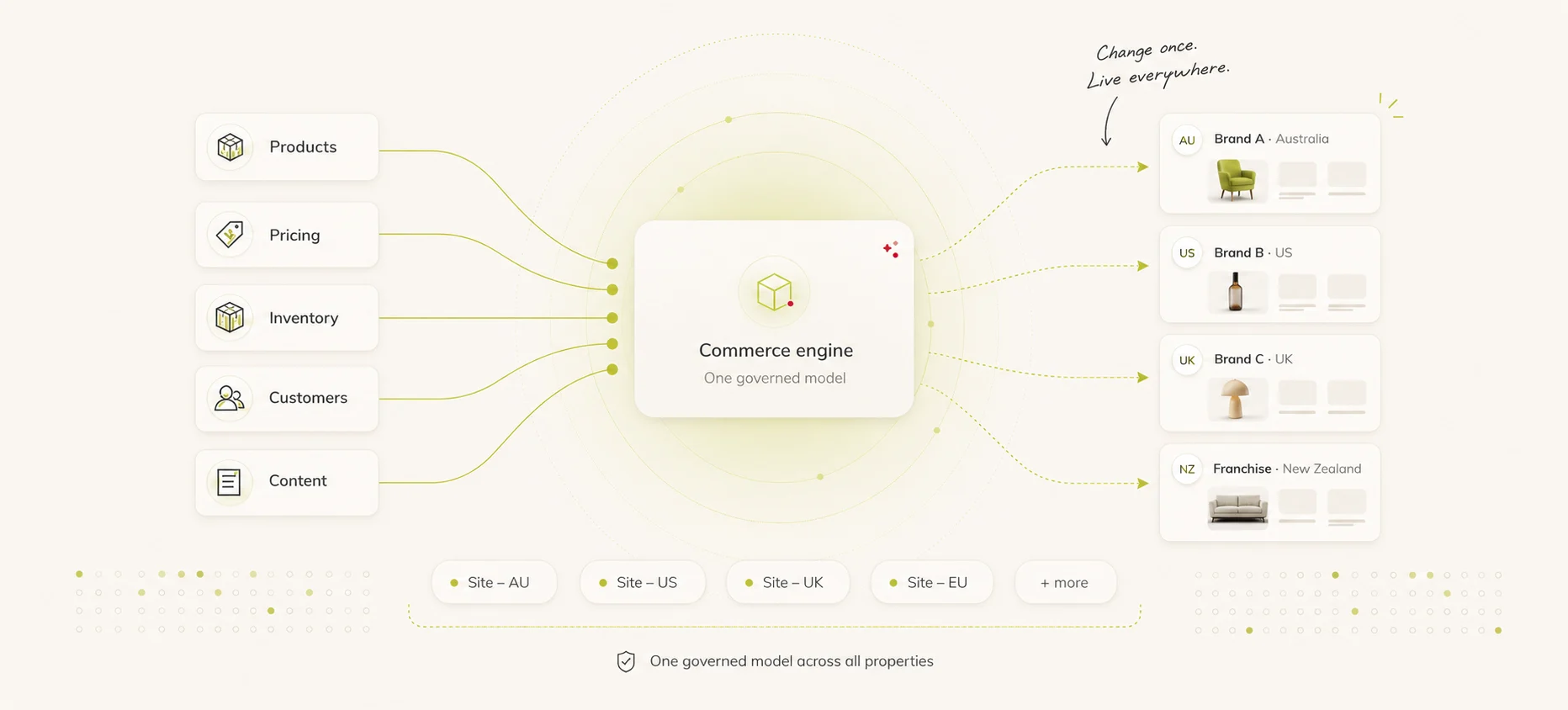
Commerce, content, and orchestration in one system, with one login and one source of truth across every property.

03 Modeled to your business

Model your business. Don't adapt to software.

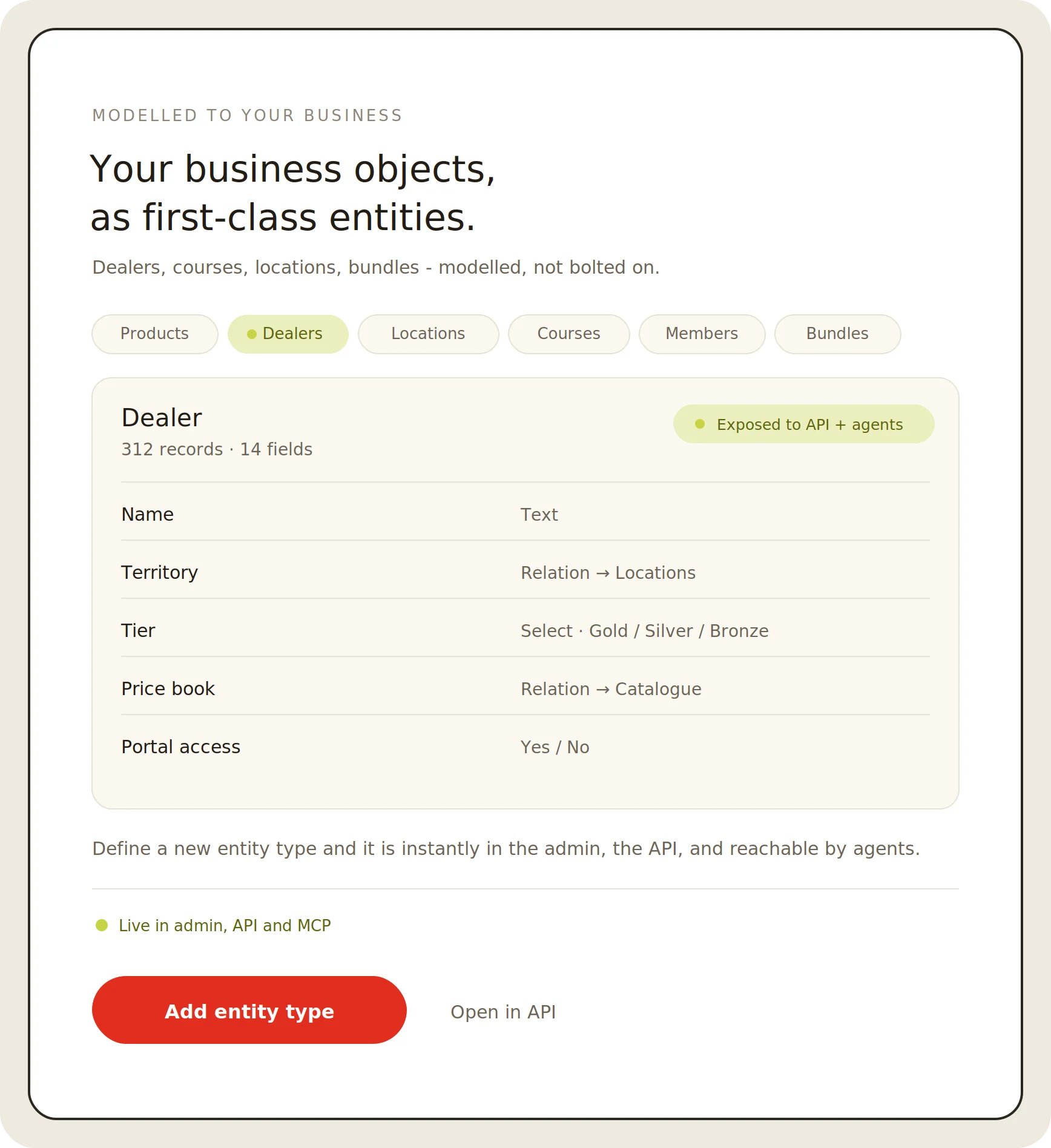
Custom entities model courses, dealers, members, or locations, so you build an LMS, a portal, or a directory without buying another platform.

04 Lean-team leverage

Lean team. Enterprise output.

Run a large estate without growing the team to match. Marketing ships without dev tickets, and developers build features, not integrations.

One platform replaces your stack

Commerce, content, learning, search, and operations on one system. One platform doing the work of the five to seven separate tools a multi-property operator would otherwise run.

Automate your operations

Describe a change in plain language. The platform makes it across every property, with approval and audit built in.

Explore automation
01 Agentic operations

Agentic workflows, governed

Describe the outcome. The platform drafts the steps, runs them across every property, and logs each one inside the permissions you set.

02 Scheduling

Set it once, runs on schedule

Set a job once and it runs on schedule across every site, store, and brand you operate.

03 Governance

Approval built into every change

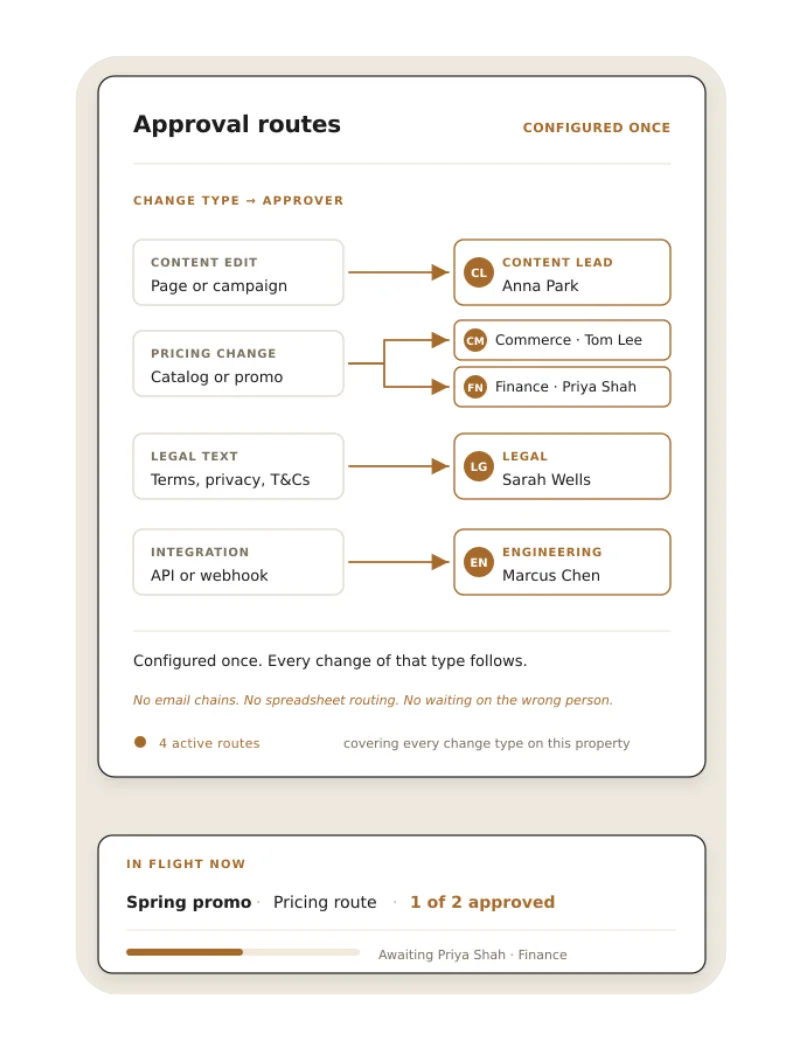
Every change stays a draft until the right reviewers approve. One flow ships content, commerce, and operations.

04 MCP

Run it from your own AI client

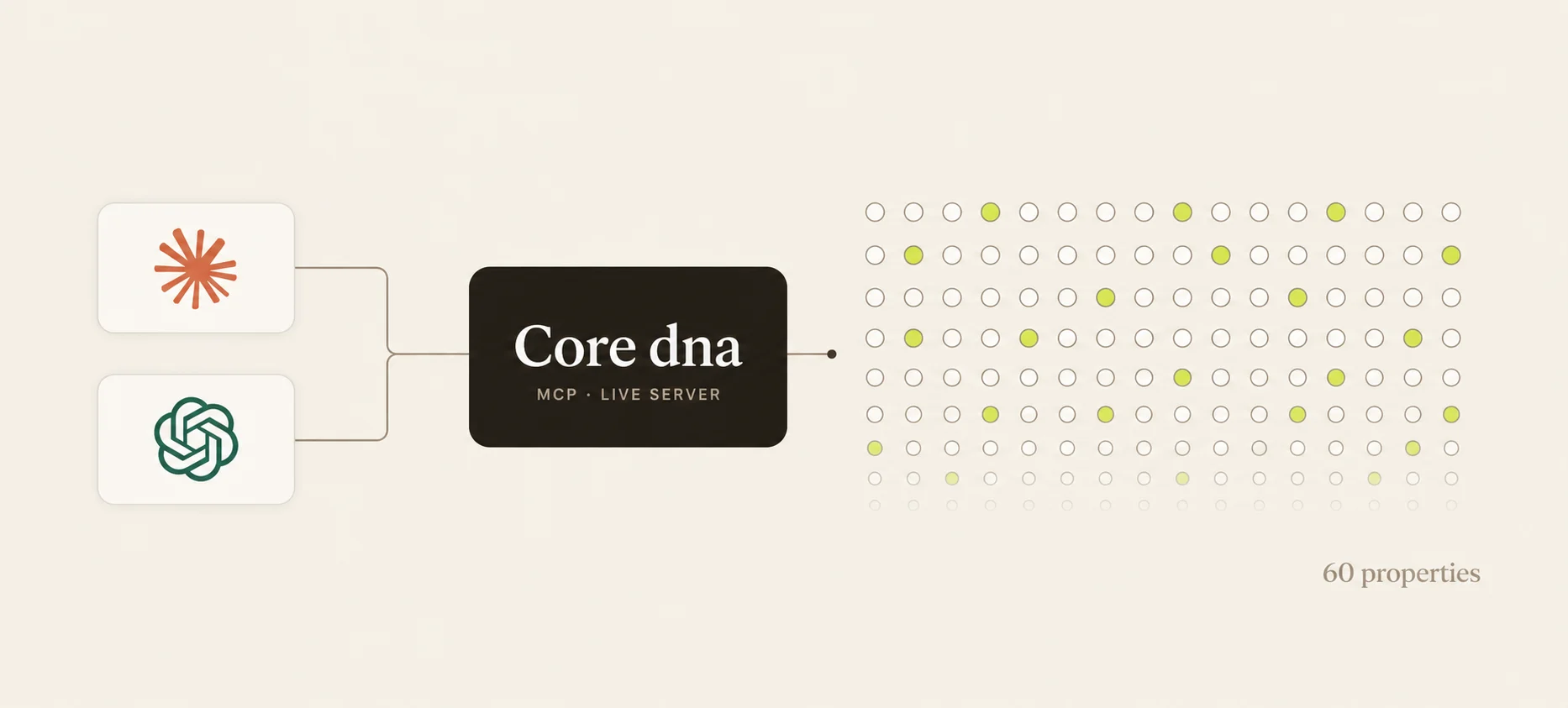
Connect Claude, ChatGPT, or any MCP client and run operations through the same approval workflows.

Manage your properties

Run every site, store, brand, and location from one place, with the controls that keep a large estate consistent.

Explore multi-location operations
01 Sites

Every site from one console

Stand up a new site, a staging environment, or a production property from one console, with shared components and per-property overrides.

02 Multi-site

Share the model, scope per property

Content, catalog, and components are shared from one model and scoped to a single site, region, or brand.

03 Permissions

Control who changes what

Permissions inherit from role and group, with per-property overrides and a full audit trail on every change.

04 Brand

Brand stays consistent as you grow

Head office sets the guardrails and local teams move fast inside them. Brand is locked on by default across every property.

Content and commerce on one system

One login for your CMS, your storefronts, and the integrations that connect them. Sell and publish from the same model.

Explore commerce
01 CMS

Multi-site content, no code

Multi-site, multi-language content governed by the same roles as the rest of the platform.

02 eCommerce

B2B and B2C from one catalog

Contract pricing, multi-store, and order routing built in, on one catalog.

03 Orchestration

Every system, one set of flows

Connect ERP to payments and run the flows between them on one platform.

04 AI enterprise search

Results from the live model

Fast, relevant search across content and products, read from the live model, not a copy.

05 Personalization

Tailored by who is looking

Personalize by member tier, account, region, or behavior, with no extra tool.

06 Forms and data capture

Clean data into the model

Collect data straight into the model your team already runs.

Modeled to your business

Model the things your business actually runs on: courses, members, dealers, locations, programs. Build on them without buying another platform.

Explore custom entities

Model courses, dealers, members, or locations as first-class records the whole platform understands and searches.

Run courses, modules, certifications, and learners on the same platform as the rest of your operation.

Directories, gated content, renewals, and member records on one system.

Local control inside central governance, with brand and pricing scoped per location.

Most major enterprise CMS platforms now ship AI agents, and several expose them over MCP so external assistants can act on content.

The useful question in 2026 is no longer whether a platform has agents, but what they are allowed to do: how far across your properties one instruction reaches, whether they touch commerce or only content, and whether they ship through existing approvals.

Read the full answer →

Yes, because the structure governs it. The agent acts inside the exact permissions each person already has, reads your inheritance model so it knows shared from local, and shows a per-property diff before anything ships. Every change runs through your approval rules, is logged with who/when/which property, and can be rolled back in one click. You don't configure new safety for the AI, the structure, permissions, and approvals you already built are what contain it.

Read the full answer →

Core dna includes an orchestration layer that allows teams to build automated workflows across content, commerce, and integrations.

Examples include:

Read the full answer →

Yes. Core dna is designed to run B2B wholesale portals and D2C consumer storefronts from a single instance. Each channel has its own pricing, catalog access, checkout experience, and branding, but they share the same product data, content team, and admin. This is the core use case Core dna was built for manufacturers who need a consumer channel without walking away from their wholesale and distribution operation.

Read the full answer →

Yes, you can use APIs to deliver content to any channel or device, and to connect with any third-party platform.

Read the full answer →